Green Tea Leaf Camellia sinensis
Digestion & metabolism
The catechin source and the deepest trial record of the six. Research on anthropometric measures (weight, waist circumference) shows modest effects when combined with caffeine.
Appetite hormones specifically haven't moved consistently in research: pooled studies found green tea left leptin and ghrelin roughly where they started.
Typical research amount: 270-1,200mg of catechins daily. A concentrated extract carries a rare but documented liver-injury caution, per a USP toxicology review.
Guarana Seed Paullinia cupana
Energy & alertness
An Amazonian seed carrying two to four times the caffeine of coffee bean by weight. A randomized trial found it reduced fatigue against placebo in cancer patients undergoing chemotherapy.
A newer cycling trial found guarana outperformed a matched low dose of plain caffeine, suggesting the seed carries more than just the stimulant effect.
Typical research amount: 50-75mg of dried extract daily. Can cause jitteriness, a faster pulse, or disrupted sleep, particularly combined with other caffeine sources.
African Mango Seed Irvingia gabonensis
Appetite (contested)
A West African seed extract that carries much of the appetite-control marketing across this entire product category.
A systematic review of randomized controlled trials judged the supporting evidence small, short, and unconvincing — a notably weaker verdict than the marketing built around it suggests.
Typical research amount: 150mg of standardized extract, twice daily. Trials recorded headache, gas, and disturbed sleep; those on diabetes medication should ask a pharmacist first given recorded glucose changes.
Coleus Forskohlii Root
Fat metabolism
The source of forskolin, a compound that raises cyclic AMP inside cells — a genuine, well-understood mechanism tied to the "fat metabolism" label claim.
A 2005 trial in overweight men found body-composition shifts (more lean mass, less fat) without a change in overall body weight. A more recent 12-week trial reported weight change with a standardized extract.
Typical research amount: 250mg of a 10% forskolin extract, twice daily. Associated with lowered blood pressure and effects on platelets — a real caution for anyone on blood pressure medication or a blood thinner.
Capsicum Annuum Fruit
Strongest evidence on this label
Red pepper extract, the capsaicinoid source, and the one ingredient here with a meta-analysis aimed directly at food intake rather than a proxy measure.
The pooled result: roughly 74 fewer kilocalories eaten per meal — measured, peer-reviewed, and roughly the size of one plain biscuit. Separate meta-analyses also found small increases in energy expenditure (thermogenesis).
Typical research amount: 0.9-10mg of capsaicinoids daily. Can cause heartburn, a warm chest, or loose stools in the first week, particularly for anyone with reflux, gastritis, or an ulcer history.
Raspberry Ketones 4-(4-hydroxyphenyl)butan-2-one
Weakest evidence on this label
The aroma compound responsible for the characteristic smell of raspberries, and a long-standing inclusion across this entire supplement category.
No human trial of the isolated compound has been run. Its presence here rests on tradition and consumer familiarity rather than clinical evidence.
No established research amount exists to compare against, and no specific safety concern is documented — simply because the human research itself hasn't been done.
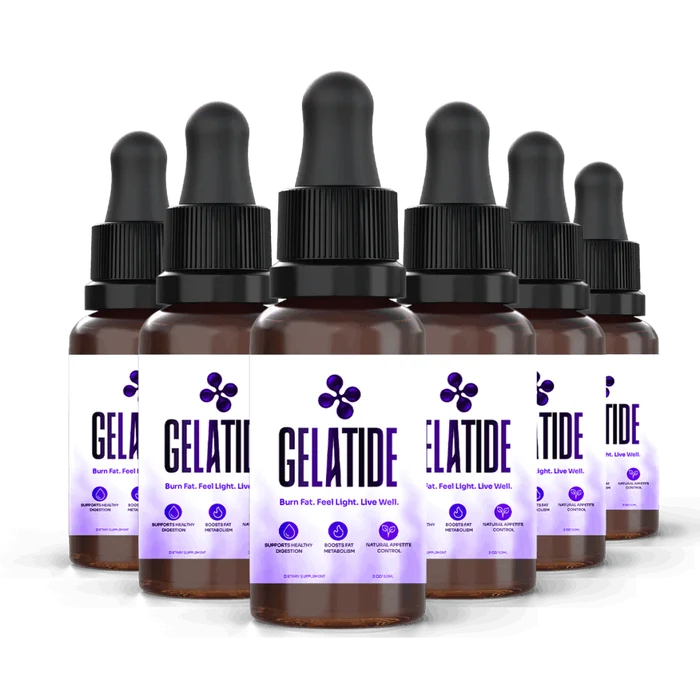
The pattern across all six: real, checkable research exists for every one of these ingredients individually — but the strength of that evidence varies enormously, from capsicum's genuine measured effect on food intake down to raspberry ketone's complete absence of human trials. Naming an ingredient is not the same as it being well-supported, and this label does both well-supported and poorly-supported ingredients the same courtesy of a name without a number.